

High cholesterol: why levels change and what role diet plays
Date: 29.01.2026
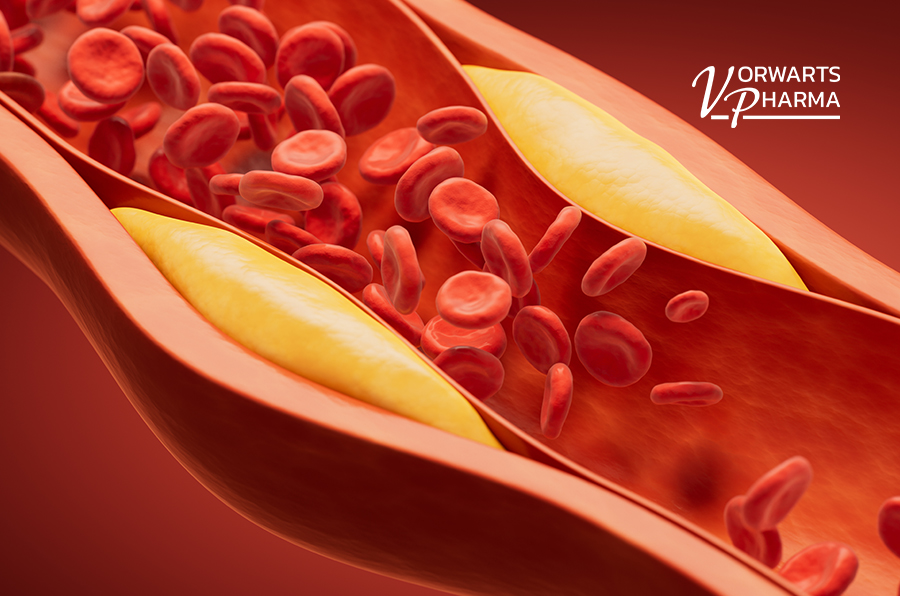
High cholesterol means that the results in blood tests are higher than the recommended values. People of different ages face this result. Sometimes it comes as a surprise, especially if eating habits and the usual pace of life have not changed.
Cholesterol is found in almost every cell of the body. It is also present in the blood, where it constantly moves along with other substances. Part of it comes from food, while another part is produced naturally. That is why cholesterol levels depend not only on diet, but also on age, genetic factors, level of physical activity, and everyday workload.
Why levels may increase
Usually, there is not just one reason. More often, it is a combination of several factors that build up over time.
These include:
- genetic factors;
- age-related changes;
- a sedentary lifestyle;
- an irregular daily routine;
- constant stress;
- dietary patterns, including excess fatty foods.
Even with a familiar menu, levels can change, because they depend not only on food, but also on the overall pace of life and internal processes in the body.
What people usually focus on in their diet
After seeing changed results, most people start with simple steps: paying closer attention to product ingredients, moving more, and reviewing daily eating habits.
At this point, interest often appears not only in fats or calories, but also in the nutrients we get every day. In particular — amino acids and natural compounds that are part of familiar foods.
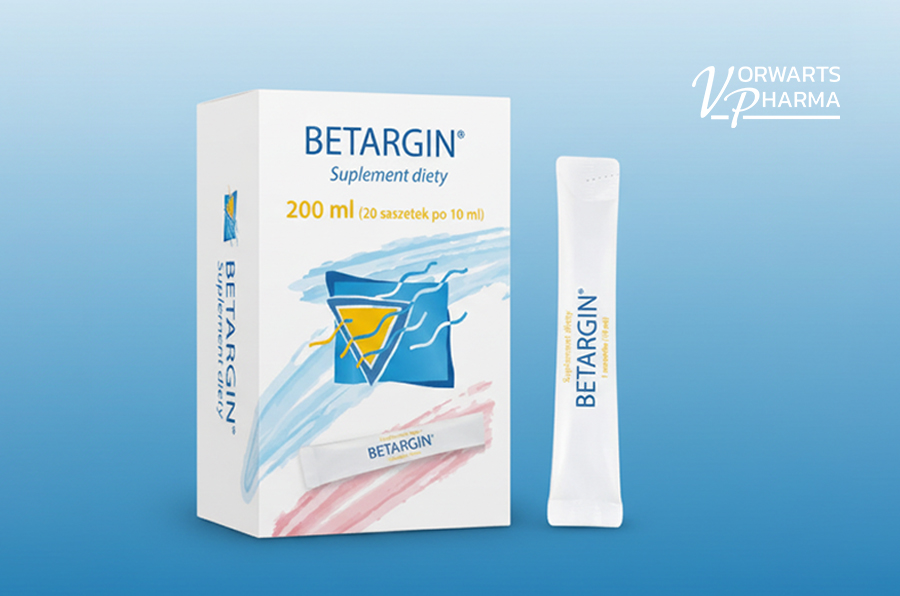
Amino acids and betaine in everyday nutrition
Food is not just a set of dishes. It is a combination of nutrients that the body receives daily. And among them, amino acids play an important role.
Amino acids are building blocks of proteins. We get them from meat, fish, dairy products, legumes, and grains. They are part of the daily diet and belong to regular nutrition.
Arginine is one of the amino acids found in protein-rich foods. Proteins are necessary for the body to renew cells and tissues, as well as for many daily processes that happen without our direct involvement.
Betaine is a natural compound found in grains, beets, and some vegetables. In human nutrition, betaine is part of general metabolic processes and supports stable body function within a regular lifestyle.
These compounds can be added to the diet through dietary supplements. Such a diet — one that includes different sources of amino acids and nutrients — is usually considered more balanced and well thought out.
FAQ
What does high cholesterol mean?
It means that total cholesterol levels in blood tests exceed the recommended values. A common reference point is up to 5.0 mmol/L.
Why can levels change without changes in diet?
Because a significant part of cholesterol is produced by the body. Test results are influenced by age, physical activity, stress, genetics, and overall lifestyle.
Why pay attention to amino acids in the diet?
Amino acids are components of proteins that form the structure of cells and tissues. They are part of everyday nutrition and are needed regularly.
What is betaine and where is it found?
Betaine is a natural compound found in some grains and vegetables. It enters the diet through plant-based foods.
More interesting information about dietary supplements in the diet can be found here:https://vorwartspharma.pl/en/#homeproduct
See also



111


