

How excess weight in children can affect bile flow: a simple explanation for parents
Date: 21.01.2026

Excess weight in children can influence digestion due to irregular meals, a high-calorie diet, and low physical activity. These factors may disrupt the natural rhythm of bile flow, sometimes resulting in discomfort after meals. The best solution is consistent daily habits rather than sudden restrictions.
Excess weight in children is a complex and often emotional topic. It is not only about numbers, but about everyday processes in the body. One of them is digestion in children, including bile flow.
Parents usually notice simple signs: after eating, the child feels heavy; in the morning, they do not want breakfast; before school, they eat reluctantly. Behind these small signals are often daily routines and eating habits.
What bile is and why an even flow is important
Bile is a fluid produced by the liver. It helps digest fats and supports the body in processing food. Normally, bile is released in portions — with each meal.
When meals are irregular and a child’s diet is overloaded with fatty or high-calorie foods, this natural rhythm can be disrupted. As a result, a feeling of fullness after meals or a lack of appetite in the first half of the day may occur.
In everyday life, a regular meal schedule usually brings more benefit than trying to calculate calories perfectly.
How excess weight may be linked to bile secretion in children
In children with excess body weight, several factors that affect digestion often occur together:
- irregular eating — skipping breakfast, late dinners, chaotic snacking;
- high-calorie diet — excess fatty foods, sweets, and processed products;
- low physical activity — long periods of sitting and little movement during the day.
This is not about discipline. More often, it is the result of school schedules, digital devices, and the family’s pace of life.
Interesting fact: nutritionists’ observations show that children with a stable daily routine experience digestive discomfort less often, even if their diet is not ideal.
Why it matters to act now
Discomfort after heavy meals or reduced appetite is not always a cause for concern. However, it is a signal to review a child’s eating habits and overall daily routine.
In childhood, the body is flexible and responds well to simple adjustments — regular meals, more movement, and a calm rhythm.
For children, gradual habit formation is usually more effective than sudden or short-term changes.
How to support balanced digestion in a child
- 4–5 meals a day at the same time;
- daily age-appropriate physical activity;
- a varied diet without overeating;
- when needed — dietary supplements as part of daily nutrition.
No pressure. No extremes. Consistency.
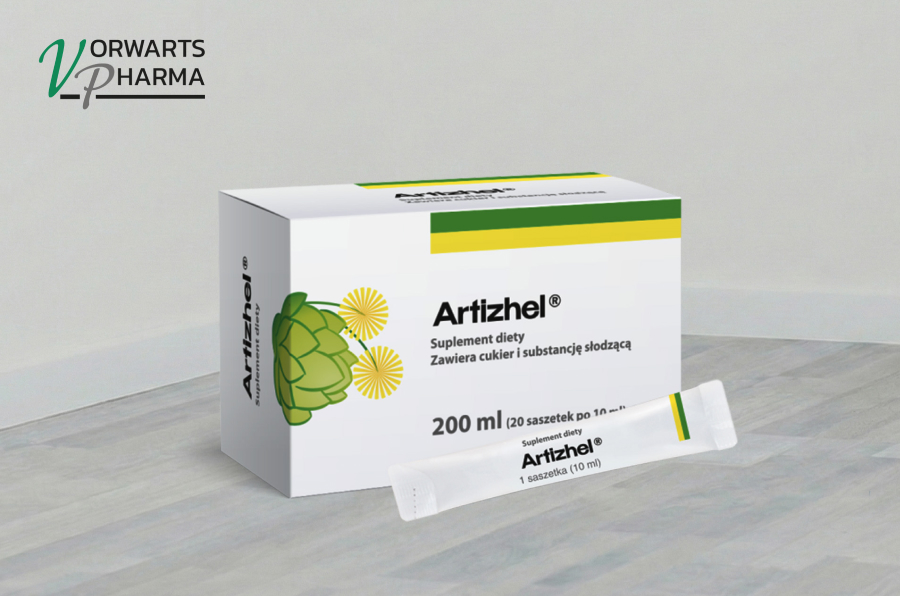
Artizhel: plant-based composition and convenient format
Artizhel by Vorwarts Pharma is a dietary supplement with plant-based ingredients designed for everyday use. It is chosen by those who value a clear composition and a format that easily fits into a child’s or adult’s daily routine.
The formula is based on ingredients well known from everyday nutrition:
- artichoke — a plant widely used in European cuisine;
- dandelion — whose root is included in many food blends;
- inositol and choline — substances naturally present in the human diet.
Artizhel comes in drinkable stick form, contains no GMOs, and does not require changes to the usual menu. This simplicity often becomes a key factor for families when making their choice.
Frequently Asked Questions (FAQ)
Can excess weight in children affect digestion?
Yes, through eating habits, daily routine, and activity level.
Are excess weight and bile flow connected?
These processes may be indirectly related through lifestyle factors.
Is changing the child’s diet alone enough?
The best results come from combining diet, physical activity, and a stable daily routine.
Is meal regularity important?
Yes, regularity often plays a key role in post-meal comfort.
Can dietary supplements be added to a child’s diet?
When needed — yes, as part of everyday nutrition.
More about the company’s products can be found in the catalog:
https://vorwartspharma.pl/en/#homeproduct
111


