

How to Understand a Newborn: First Signals of Discomfort and How to Respond
Date: 17.09.2025

The first weeks of a baby’s life are a special time when the little one is just learning to adapt to the surrounding world. For parents, it can be difficult to understand why the baby is crying, restless, or refusing to sleep. Since a newborn cannot explain with words, their behavior becomes a language of signals that parents need to learn to recognize correctly.
Newborn Crying: How to Tell Hunger from Discomfort
Crying is the baby’s universal way of communication. It may mean hunger, tiredness, or the desire to be close to the mother. But if the crying lasts long, especially after feeding, it may be a sign of colic or bloating.
Signs of Colic in Newborns
When a baby’s tummy hurts, they may pull up their legs, clench their fists, and their face may turn red. Colic usually occurs during the first months of life and is often related to the incomplete breakdown of lactose in the baby’s body. This leads to gas formation and discomfort.
How to Recognize Bloating in a Newborn
- Baby is restless after feeding
- Tummy is hard and swollen
- Frequent gas release
- Short and interrupted sleep
These signs help parents understand that the baby’s discomfort may be related to digestion.
Frequency and Consistency of Stools
Too frequent or too loose stools are another signal to pay attention to the baby’s digestion. While not always a problem, combined with crying and bloating it may indicate digestive difficulties.
What to Do If a Newborn Has Colic or Bloating
It is important for parents to stay calm and attentive to the baby’s signals. Here are a few simple steps that can help:
- Breastfeeding on demand — small, frequent feedings
- Gentle tummy massage in circular motions clockwise
- Warm “skin-to-skin” contact to soothe the baby
- Tummy time to help release gas
- Holding the baby upright after feeding
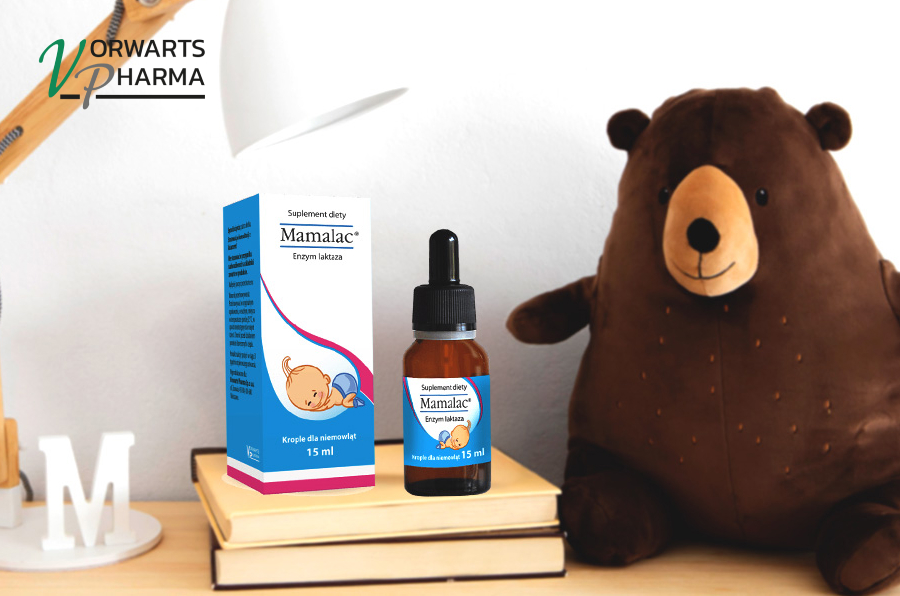
When the cause is incomplete milk digestion, specially developed dietary supplements can provide extra support. Mamalac drops help properly digest milk or formula, reduce gas formation, and support gut microbiota.
When colic has already started, it means fermentation of undigested milk has begun, which over time may lead to intestinal dysbiosis. Mamalac with lactase helps prevent this. It is a completely safe product that can be used to prevent colic.
Timely understanding of a newborn’s signals helps make the first months of life calmer. By observing their baby’s behavior, parents gradually learn to distinguish hunger from discomfort, and ordinary crying from signs of colic.
👉 Learn more about Vorwarts Pharma products on the official website.
FAQ
Why does a newborn often cry after feeding?
This may be due to gas or difficulties digesting milk. Careful observation will help identify the cause.
How to tell if a baby has colic?
The baby pulls up their legs, cries for a long time, face turns red, and tummy becomes hard. These are classic signs of infant colic.
What to do if a newborn has bloating?
Try a tummy massage, warm contact with the mother, tummy time, and holding upright after feeding.
111


