

Lactase and lactose: what is the difference and why do babies need them?
Date: 16.07.2026
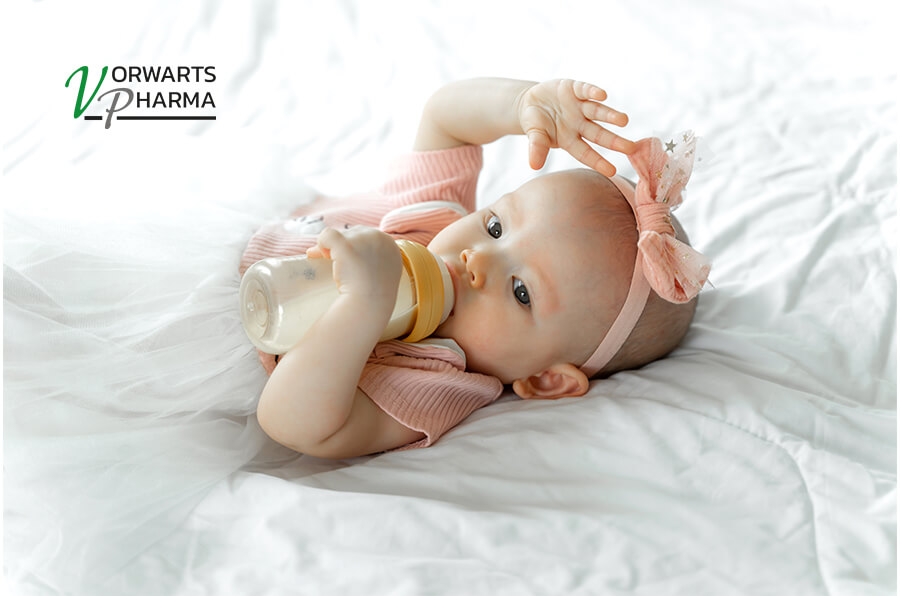
Lactase and lactose sound almost identical, so it is easy for parents to confuse the two. In fact, lactose is a natural milk sugar, while lactase is the enzyme that breaks it down into simpler components. Understanding the difference can make it easier to recognise how infant digestion works and respond calmly when a baby experiences tummy rumbling, bloating or restlessness after feeding.
Learn more: Why is my baby unsettled after feeding? A checklist for parents.
What is lactose?
Lactose is found naturally in breast milk and in most types of infant formula. It consists of two simpler sugars: glucose and galactose. Before the baby’s body can use them, lactose must first be broken down. This is where the lactase enzyme is needed.
Parents often search for the answer to the question: Does breast milk contain lactose? Yes. Lactose in breast milk is a natural carbohydrate and is present regardless of how many dairy products the mother eats.
What is lactase?
Lactase is an enzyme produced by cells in the small intestine. In most infants, this process occurs naturally, while congenital lactase deficiency is considered rare.
However, lactase activity may sometimes be lower, particularly in babies born prematurely or temporarily after changes in normal intestinal function. This is why search terms such as lactase deficiency in infants, lactase for newborns and lactose intolerance in babies are common among parents who notice changes after feeding.
| Lactose | Lactase |
| A natural milk sugar | A digestive enzyme |
| Found in breast milk and infant formula | Produced in the small intestine |
| Needs to be broken down | Breaks down lactose |
| Consists of glucose and galactose | Helps separate lactose into simpler sugars |
Why can undigested lactose cause discomfort?
When part of the lactose is not broken down in the small intestine, it passes further through the digestive tract and comes into contact with intestinal bacteria. During fermentation, gases may form. A baby may then become restless, pull their legs towards the tummy, arch their back or cry after feeding.
However, similar signs can have many different causes. Parents should not try to identify lactase deficiency or lactose intolerance in an infant based only on crying, bloating or tummy noises. Any concerns should be discussed with a pediatrician.
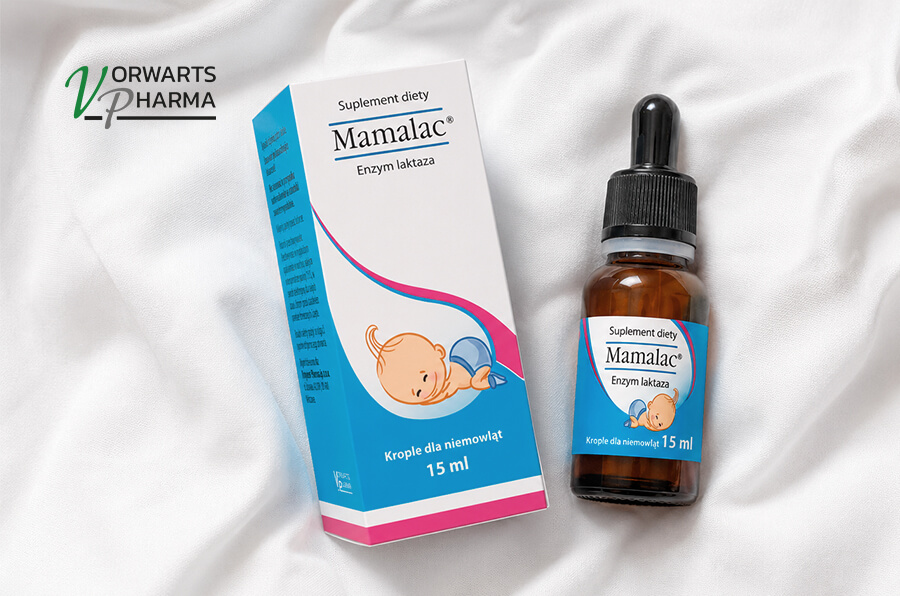
Mamalac: lactase drops for babies
Mamalac contains highly purified lactase enzyme. Each 1 ml of the liquid drops contains 3,000 ALU of lactase. The enzyme is intended to break down lactose in a portion of expressed breast milk or prepared infant formula.
Mamalac:
- contains the lactase enzyme;
- can be used with expressed breast milk or infant formula;
- has a neutral taste;
- is used according to the dosage table provided in the instructions.
Mamalac is used during each feeding in accordance with the recommended method of use and dosage. The suggested period is during the first three to four months of life or when needed. The drops should be discontinued gradually, following the instructions and the pediatrician’s recommendations.
In brief: lactose is the natural sugar found in milk, while lactase is the enzyme needed to break it down. Mamalac contains lactase and is used with expressed breast milk or infant formula according to the product instructions.
FAQ about lactase and lactose
Does breast milk contain lactose?
Yes. Lactose is a natural carbohydrate found in breast milk. It is also included in most types of infant formula.
What is lactase for babies?
Lactase is an enzyme needed to break down lactose found in breast milk or infant formula into simpler sugars.
Are lactase and lactose the same thing?
No. Lactose is a milk sugar, while lactase is the enzyme that breaks lactose down into glucose and galactose.
Why does a newborn need lactase?
The lactase enzyme is involved in the digestion of lactose from breast milk or infant formula. In some babies, lactase activity may be lower during the first months of life.
What happens when lactose is not fully broken down?
Undigested lactose may pass into the large intestine, where it is fermented by intestinal bacteria. This process may be accompanied by gas, bloating, tummy rumbling or restlessness after feeding.
Can Mamalac be used during breastfeeding?
Yes. Mamalac can be added to a portion of expressed breast milk according to the directions provided in the product instructions.
Can Mamalac drops be added to infant formula?
Yes. Mamalac lactase drops can be used with infant formula. It is important to follow the preparation instructions and the recommended dosage table.
Should Mamalac be used during every feeding?
Mamalac is used during each feeding according to the dosage table included in the product instructions.
What is the difference between lactase deficiency and milk allergy?
Lactase deficiency concerns the breakdown of lactose, the natural sugar found in milk. Milk allergy is a reaction to milk proteins. These are different conditions, so the cause of a baby’s discomfort should be assessed by a pediatrician.
A food supplement should not be used as a substitute for a varied and balanced diet.
111


