

Sinusitis vs Maxillary Sinusitis: What Is the Difference and Which Symptoms Should You Never Ignore?
Date: 18.11.2026
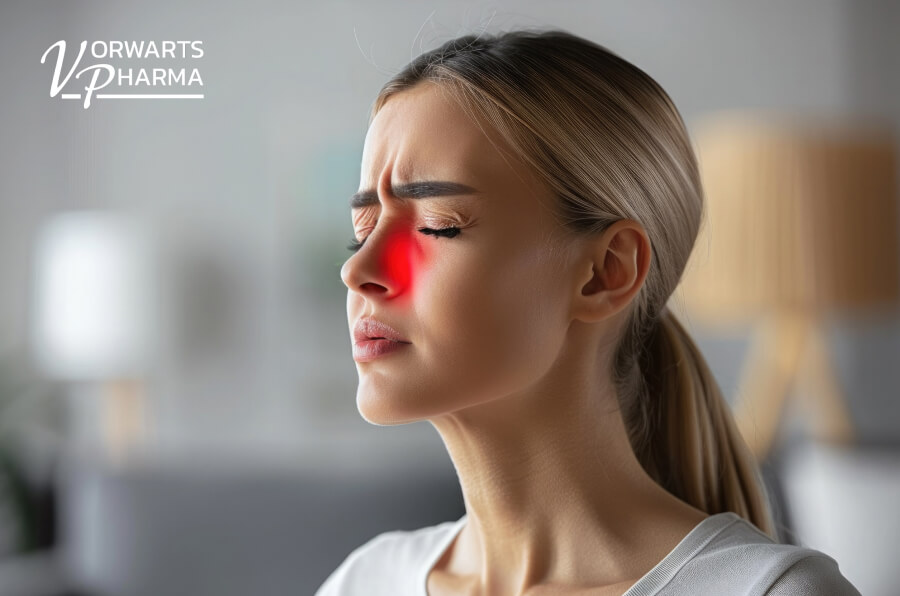
A runny nose lasts longer than expected, breathing through the nose becomes difficult, and an uncomfortable pressure develops beneath the eyes. These symptoms are often associated with a sinus infection. However, doctors may use different terms, including sinusitis, maxillary sinusitis and rhinosinusitis. What do they mean, and which symptoms deserve closer attention?
What Is the Difference Between Sinusitis and Maxillary Sinusitis?
Maxillary sinusitis is a specific type of sinusitis. Sinusitis refers to inflammation of the paranasal sinuses, while maxillary sinusitis affects the sinuses located beneath the eyes, on either side of the nose.
There are several types of sinusitis, depending on the affected area.
| Type of sinusitis | Location |
| Maxillary sinusitis | Maxillary sinuses, beneath the eyes |
| Frontal sinusitis | Frontal sinuses, behind the forehead |
| Ethmoid sinusitis | Ethmoid sinuses, between the eyes |
| Sphenoid sinusitis | Sphenoid sinus, deep within the skull |
The term rhinosinusitis is also widely used because inflammation of the sinuses commonly occurs together with inflammation of the nasal lining.
What Are the Most Common Symptoms of Sinusitis?
The main symptoms of sinusitis include nasal congestion, nasal discharge, facial pain or pressure, and a reduced sense of smell. These symptoms may develop together or appear gradually.
With maxillary sinusitis, discomfort is often concentrated around the cheeks, beneath the eyes or in the upper jaw. Some people experience pain in their upper teeth, while others notice increased facial pressure when bending forward.
However, a headache or pressure in the cheeks alone does not confirm a sinus infection. Migraines, dental problems and other conditions can cause similar sensations.
Why Does Sinusitis Develop After a Cold?
Acute sinusitis often develops during or after a viral upper respiratory infection. Inflammation can cause the nasal lining to swell, making it harder for mucus to drain naturally from the sinuses.
This explains why a blocked nose or sinus pressure may continue even after other cold symptoms have improved. Most acute sinus infections are caused by viruses rather than bacteria.
To understand how respiratory infections develop and which symptoms are typical, read our article “ARVI: Symptoms and How to Recognize Them”.
Sinusitis vs Rhinitis: How Can You Tell the Difference?
Rhinitis primarily affects the nasal lining, while sinusitis involves inflammation of the paranasal sinuses.
Common symptoms of rhinitis include sneezing, a runny nose, itching and nasal congestion. The causes can vary, including viral infections, allergies and environmental irritants. To learn more about these differences, read our article “Rhinitis: What Is It, What Are the Different Types and Symptoms?”.
Sinusitis is more likely when nasal symptoms are accompanied by facial pressure, discomfort around the cheeks or forehead, and a reduced sense of smell.
However, rhinitis and sinusitis frequently occur together. If symptoms persist, worsen or repeatedly return, an ENT specialist can help identify the underlying cause.
How Long Does Acute or Chronic Sinusitis Last?
According to the European Position Paper on Rhinosinusitis and Nasal Polyps (EPOS), acute rhinosinusitis lasts less than 12 weeks, with complete resolution of symptoms, while chronic rhinosinusitis persists for 12 weeks or longer.
In everyday practice, many acute viral episodes improve much sooner.
If sinus infection symptoms last more than 10 days without improvement or become worse after initially getting better, medical assessment is recommended.
Repeated episodes of sinusitis also deserve attention, particularly when similar symptoms return several times a year.
Which Sinusitis Symptoms Require Urgent Medical Attention?
Severe facial pain, persistent fever or a noticeable deterioration in general condition should not be ignored.
Swelling around the eyes, changes in vision, double vision, an unusually severe headache or confusion require urgent medical attention.
Although serious complications are uncommon, recognising these warning signs is important.
How to Care for the Nasal Mucosa?
Everyday nasal care begins with a few familiar habits: maintaining comfortable indoor humidity, avoiding irritating substances and drinking enough fluids throughout the day.
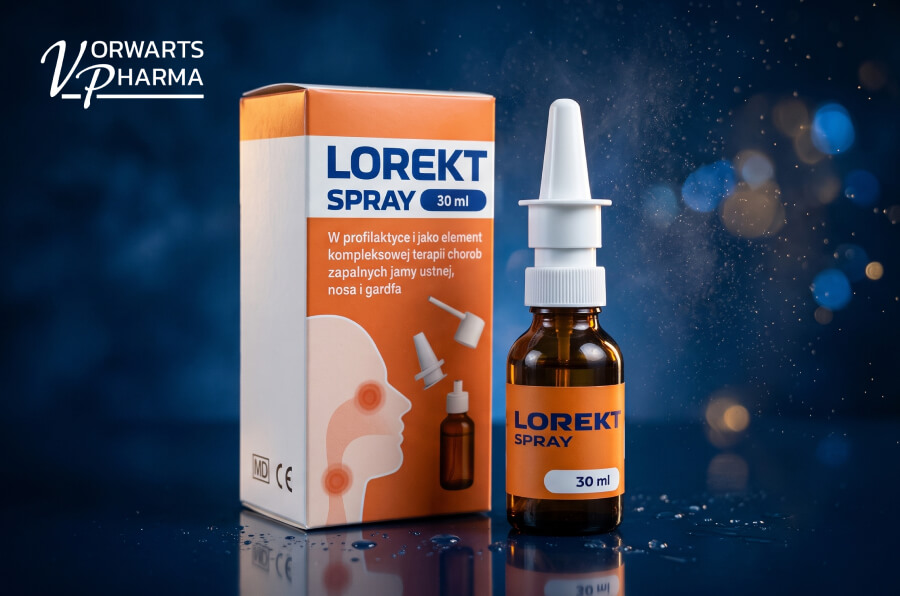
Lorekt by Vorwarts Pharma is designed for the care and moisturising of the nasal and throat mucosa. It features two separate nozzles for convenient application to the nose and throat.
Detailed information about its composition, directions for use and age restrictions is available in the product instructions.
Frequently Asked Questions About Sinusitis
Does sinusitis always cause a headache?
No. A headache is not a required symptom of sinusitis. Headaches can also occur for many unrelated reasons, so other symptoms should be considered.
Can you have a sinus infection without a runny nose?
Yes. Some people mainly experience nasal congestion, facial pressure or postnasal drip, which occurs when mucus drains down the back of the throat.
Does green mucus mean a bacterial sinus infection?
No. Green or yellow nasal discharge does not automatically indicate a bacterial infection. The colour of mucus alone cannot determine whether sinusitis is viral or bacterial.
How can you tell whether sinus pressure is caused by sinusitis?
Sinusitis is more likely when facial pressure occurs together with nasal congestion, discharge or reduced smell. Facial pressure alone is not sufficient for a diagnosis.
When should you see an ENT specialist for sinusitis?
Medical advice is recommended when symptoms persist for more than 10 days without improvement, worsen after initially improving or repeatedly return. Severe warning signs require urgent assessment.
Sinusitis and maxillary sinusitis share many symptoms, making it difficult to distinguish between them based on discomfort alone. Pay attention to how symptoms develop, how long they last and whether they change over time.
For more information about everyday nasal and throat mucosa care, explore the Vorwarts Pharma website and discover Lorekt.
References
See also



111


