

Choline Deficiency: Causes and Its Link to Fat Metabolism
Date: 28.10.2026
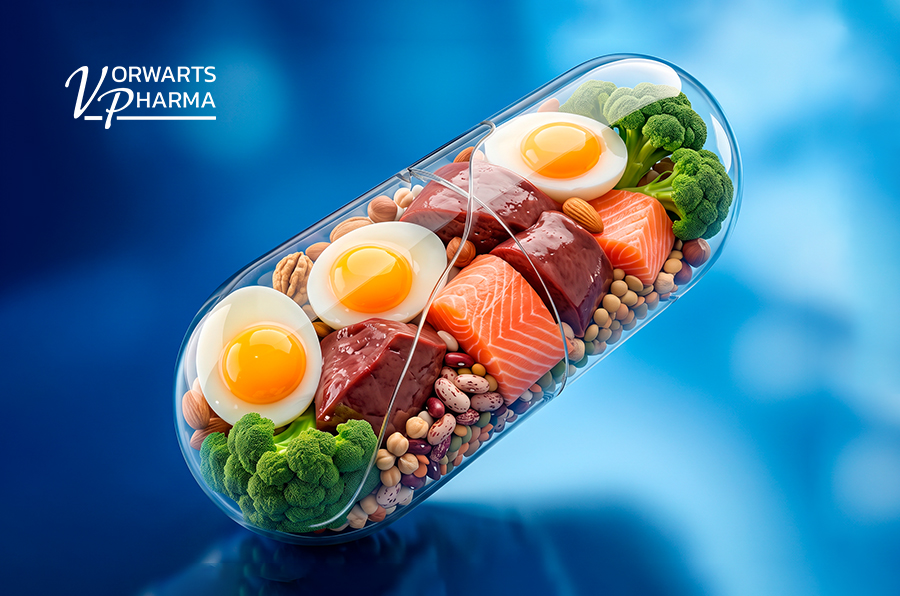
Choline rarely gets as much attention as protein, vitamins or healthy fats. Yet this essential nutrient plays an important role in fat metabolism and cell membrane formation. What causes choline deficiency, what are its symptoms, and which foods contain the most choline? Let’s explore the science behind this nutrient and its place in a balanced diet.
What Is Choline and What Does It Do?
Choline is an essential nutrient sometimes referred to as vitamin B4. Although the body produces small amounts, most choline must come from food.
It is needed to form phospholipids, which are structural components of cell membranes. Choline is also involved in fat transport and the production of acetylcholine, a chemical messenger used by nerve cells.
Choline Deficiency: Causes and Symptoms
Choline deficiency may be associated with a restrictive or poorly varied diet, insufficient intake of eggs, fish and meat, increased requirements during pregnancy, or genetic differences in choline metabolism.
What are the symptoms of choline deficiency? Severe deficiency may be associated with changes in the liver and muscle tissue. However, there are no specific early warning signs, and eating less than the recommended amount does not necessarily mean a person is deficient.
Choline and the Liver: How Is It Linked to Fat Metabolism?
Choline is a component of phosphatidylcholine, which is essential for forming very-low-density lipoproteins (VLDL). These particles transport triglycerides from the liver to other tissues.
When choline intake is severely inadequate, fat transport may be disrupted, potentially leading to fat accumulation in liver cells. This mechanism is described in scientific publications by the NIH and EFSA.
However, choline is not a fat-burning substance or a direct way to lower blood cholesterol.
Foods High in Choline: What Should You Eat?
| Food | Choline content |
| Beef liver, pan-fried (85 g) | 356 mg |
| Hard-boiled egg (1 large) | 147 mg |
| Roasted chicken breast (85 g) | 72 mg |
| Roasted soybeans (½ cup) | 107 mg |
| Cooked broccoli (½ cup) | 31 mg |
Source: NIH Office of Dietary Supplements.
How much choline do you need per day? According to EFSA, the adequate intake is 400 mg daily for adult men and women, increasing to 480 mg during pregnancy and 520 mg while breastfeeding.
Choline, Betaine and Homocysteine: What Is the Connection?
Some choline is converted into betaine, also known as trimethylglycine. Betaine participates in the conversion of homocysteine into methionine by donating a methyl group.
To understand this biochemical pathway in more detail, read “Elevated Homocysteine Levels – What Do They Mean and How Can They Be Managed?”.
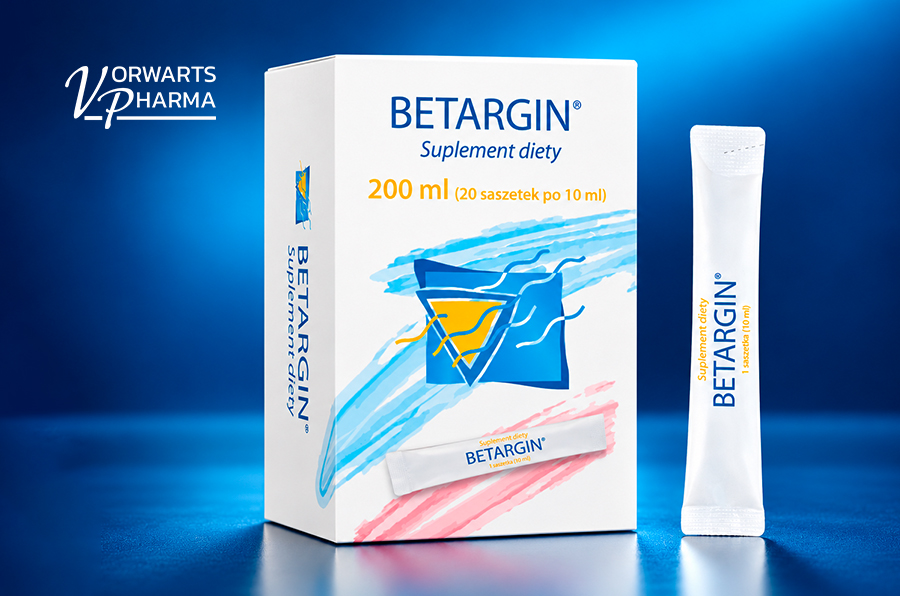
Betargin by Vorwarts Pharma is a dietary supplement in convenient sachets, containing 1 g of arginine and 0.5 g of betaine per sachet. The product should be used according to the manufacturer’s instructions. Betaine does not replace choline or all of its functions.
For further information about these ingredients, explore “Arginine and Betaine in the Diet of an Active Person: What to Know”.
Frequently Asked Questions About Choline
What are the first signs of choline deficiency?
There are no distinctive early symptoms. Severe deficiency may be associated with changes in liver and muscle tissue.
Can choline deficiency cause fatty liver?
Severe deficiency can disrupt lipid transport from the liver, but it is not the only factor associated with fat accumulation.
Is choline the same as betaine?
No. Choline is involved in cell membrane formation and is a precursor to betaine. Betaine participates in methyl-group transfer reactions.
How can you get enough choline from food?
Include a variety of foods such as eggs, fish, meat, legumes and vegetables in your daily meals.
Choline is an essential part of a varied diet. Understanding its food sources and relationship with betaine makes it easier to plan balanced meals and interpret nutritional information.
Food supplements should not be used as a substitute for a varied and balanced diet.
See also


111


