

What Are Postbiotics and How Do They Differ from Probiotics and Prebiotics?
Date: 26.11.2026
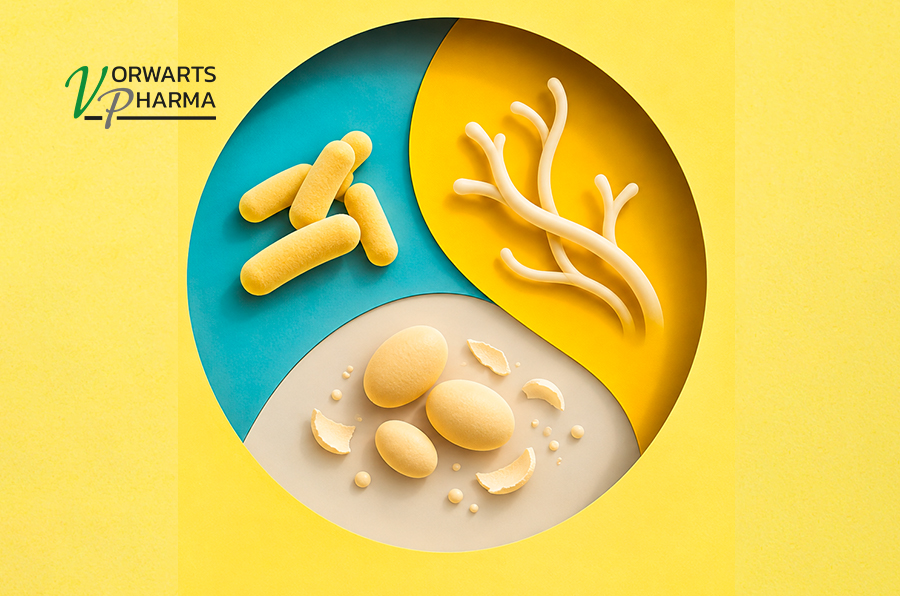
Probiotics and prebiotics have long been familiar terms on food and dietary supplement labels. More recently, another term has entered the conversation: postbiotics. Although these names sound similar, they refer to different categories of ingredients.
Postbiotics are preparations containing non-living microorganisms or their components, with scientifically demonstrated beneficial properties. Unlike probiotics, they do not rely on live microorganisms. They also differ from prebiotics in their origin and composition.
What Are Postbiotics? The ISAPP Scientific Definition
In 2021, the International Scientific Association for Probiotics and Prebiotics (ISAPP) published a scientific consensus establishing the definition and classification criteria for postbiotics.
Not every inactivated bacterial culture or fermentation product qualifies as a postbiotic. Classification requires information about the microorganisms used, the production process and scientifically documented properties.
Postbiotics are also studied in the context of the gut microbiome, the community of microorganisms that inhabit the digestive tract.
Further information is available in the ISAPP scientific consensus published in Nature Reviews Gastroenterology & Hepatology.
Probiotics vs Prebiotics vs Postbiotics: What Is the Difference?
The main differences lie in their composition, origin and whether they contain viable microorganisms.
| Category | Definition | Examples |
| Probiotics | Live microorganisms with scientifically documented properties | Selected strains of Lactobacillus and Bifidobacterium |
| Prebiotics | Substances selectively utilised by host microorganisms, with documented beneficial properties | Inulin, fructooligosaccharides (FOS), galactooligosaccharides (GOS) |
| Postbiotics | Preparations of inactivated microorganisms or their components with documented beneficial properties | Selected, scientifically studied bacterial or yeast preparations |
Another related term is synbiotics, which combine live microorganisms with substrates selectively utilised by microorganisms in the host.
These categories are not interchangeable. For example, the presence of live bacteria in yoghurt does not automatically mean that they meet the scientific definition of probiotics.
How Are Postbiotics Produced?
The production of postbiotics generally involves several stages:
- Selection and identification of specific microorganisms.
- Cultivation under controlled conditions.
- Inactivation using a defined processing method.
- Evaluation of the resulting composition and its scientifically documented properties.
The final preparation may contain microbial cell structures, polysaccharides, proteins, peptides and metabolites produced during fermentation.
However, purified microbial metabolites alone, such as isolated short-chain fatty acids (SCFAs), do not meet the ISAPP definition of postbiotics without microbial cell components.
What Foods Contain Postbiotics?
Fermentation is used to produce many familiar foods, including:
- Kefir and natural yoghurt.
- Sauerkraut and fermented vegetables.
- Kimchi.
- Tempeh.
- Sourdough bread.
- Other fermented dairy products.
During fermentation, microorganisms transform the original food ingredients, producing various compounds.
However, fermented foods and postbiotics are not the same thing. Although fermented foods may contain non-living microorganisms and microbial components, their classification as postbiotics requires specific scientific evidence.
Postbiotics and the Gut Microbiome
The gut microbiome consists of bacteria, fungi and other microorganisms found in the digestive tract. These microorganisms participate in fermentation and produce a variety of microbial metabolites.
Scientists distinguish between substances naturally produced by the gut microbiota and specifically prepared postbiotic ingredients.
Understanding this distinction is important when reading scientific publications, food labels and information about postbiotic dietary supplements.
What Is EpiCor® and How Is It Related to Postbiotics?
EpiCor® is a dried yeast fermentate produced through the controlled fermentation of Saccharomyces cerevisiae, commonly known as baker’s yeast.
Cargill, the manufacturer of the ingredient, describes EpiCor® as a postbiotic ingredient. Its composition includes polysaccharides, beta-glucans (β-glucans), proteins, peptides and other yeast-derived compounds.
EpiCor® has been the subject of scientific research. However, findings related to one specific ingredient should not be generalised to all postbiotics.
Read more in our article “EpiCor® – What It Is and Why It Is Included in Epiwell”.
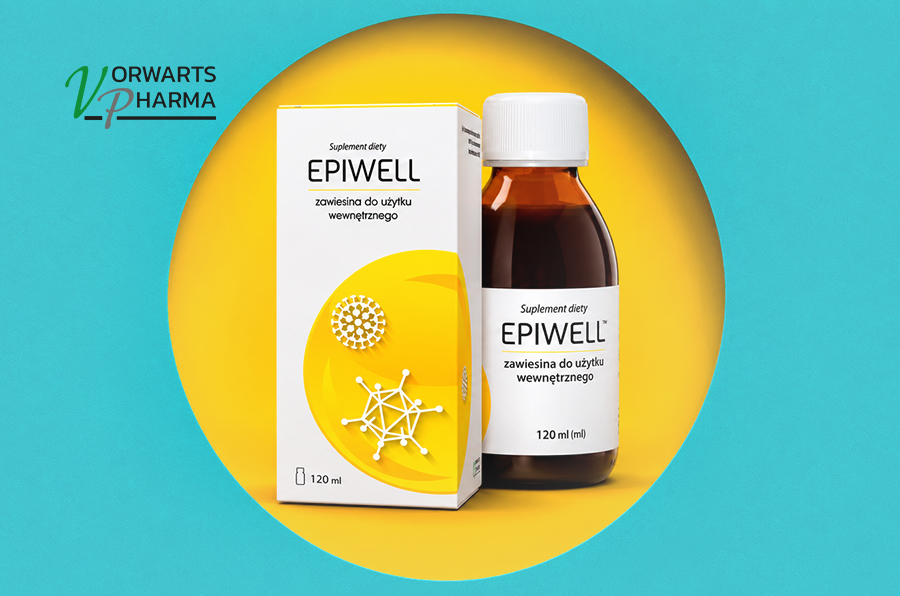
EpiCor® in Epiwell Dietary Supplement
Epiwell by Vorwarts Pharma is a liquid dietary supplement combining four ingredients:
- EpiCor® – dried yeast fermentate derived from Saccharomyces cerevisiae.
- Vitamin C (Nutra C).
- Vitamin D3 (cholecalciferol).
- Zinc.
Epiwell has a pleasant taste, contains no alcohol and is suitable for children aged 4 and over, teenagers and adults. The recommended daily serving depends on age and is taken once a day.
To learn more about dietary sources of cholecalciferol, explore our article “Vitamin D3 in Autumn and Winter: Food Sources and Seasonal Changes”.
You can also read about everyday routines during the colder months in “Viral Load in Winter: Tips for Adults and Children”.
FAQ: Frequently Asked Questions About Postbiotics
What is the difference between probiotics and postbiotics?
Probiotics contain live microorganisms, while postbiotics contain specifically prepared, non-living microorganisms or their components. Both categories require scientific evidence of their respective properties.
What are examples of postbiotics?
Examples include certain scientifically studied preparations of inactivated bacterial or yeast cultures. Not every bacterial fragment or fermentation product qualifies as a postbiotic.
Are postbiotics naturally found in food?
Fermented foods may contain non-living microorganisms and microbial components. However, additional scientific evidence is required before a specific preparation can be classified as a postbiotic.
Do yoghurt and kefir contain postbiotics?
Yoghurt and kefir may contain live and non-living microorganisms, along with compounds produced during fermentation. Their presence alone does not mean that these foods meet the scientific definition of postbiotics.
What is the difference between prebiotics and postbiotics?
Prebiotics are substances selectively utilised by certain microorganisms, whereas postbiotics contain non-living microorganisms or their components obtained through specific processing.
Are postbiotics made from probiotics?
Not necessarily. The microorganisms used to produce postbiotics do not have to meet the scientific criteria for probiotics before they are processed.
Does EpiCor® contain live yeast?
No. EpiCor® is a dried fermentate derived from Saccharomyces cerevisiae, rather than a live probiotic yeast culture.
Is Epiwell a dietary supplement for children?
Epiwell by Vorwarts Pharma is a liquid dietary supplement suitable for children aged 4 and over, teenagers and adults. The recommended daily serving varies according to age.
A dietary supplement is not a substitute for a varied and balanced diet.
See also


111


