

Vitamin D3 in Autumn and Winter: Food Sources and Seasonal Changes
Date: 19.10.2026

Vitamin D3, also known as cholecalciferol, comes from certain foods and is produced in the skin when exposed to sunlight. During autumn and winter, this process becomes less effective, particularly in Central and Northern Europe. This is why many people look for foods high in vitamin D3 and ways to include them in their daily diet.
Why Do We Get Less Vitamin D3 from Sunlight in Winter?
Vitamin D3 production in the skin depends on ultraviolet B (UVB) radiation. The amount produced varies with the season, geographical location, time of day and duration of sun exposure.
In Poland, from October to March, the sun stays lower in the sky, significantly reducing UVB radiation.
Interestingly, sitting beside a sunny window does little for vitamin D3 production. Ordinary window glass blocks most UVB rays.
What Foods Are High in Vitamin D3?
There are relatively few natural food sources of vitamin D3. Fatty fish, fish oils and egg yolks are among the best-known examples.
| Food | Vitamin D content |
| Salmon, mackerel, herring | Natural sources of vitamin D3 |
| Sardines, trout | Contain vitamin D3 |
| Egg yolks | Small amounts of vitamin D3 |
| Milk and plant-based drinks | May contain added vitamin D |
| UV-exposed mushrooms | Mainly vitamin D2 |
The amount of vitamin D varies depending on the type of food, its origin and preparation. For example, wild salmon and farmed salmon may contain different amounts of vitamin D3.
Vitamin D2 vs D3: What’s the Difference?
Vitamin D comes in two main forms:
- Vitamin D2 (ergocalciferol) – found in certain mushrooms and foods fortified with vitamin D2.
- Vitamin D3 (cholecalciferol) – naturally present in fish and eggs and included in some dietary supplements.
Both forms are used in food products. To find out which form a particular product contains, check the ingredient list or nutrition label.
How to Include Vitamin D3 Sources in Your Winter Diet
Planning a winter menu does not have to be complicated. A few everyday food choices can help diversify your diet:
- Include fish in your meals several times a week.
- Prepare dishes with eggs according to your dietary preferences.
- Check food labels for added vitamin D.
- Choose a varied diet with different sources of nutrients.
Vitamin D is a fat-soluble vitamin, meaning that dietary fat plays a role in its absorption.
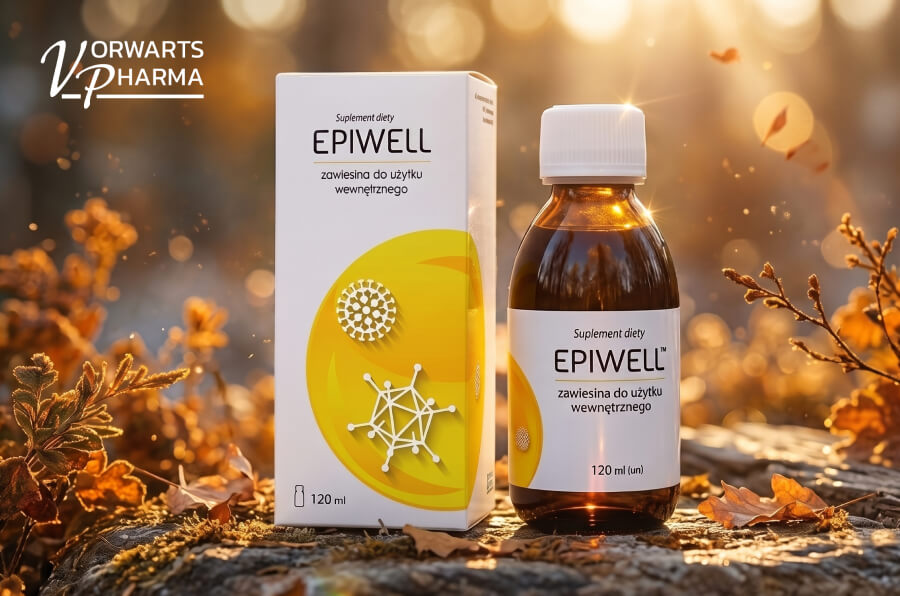
Epiwell: Vitamin D3 in a Dietary Supplement
Epiwell by Vorwarts Pharma is a liquid dietary supplement containing vitamin D3, vitamin C (Nutra C), zinc and EpiCor®.
EpiCor® is a dried yeast fermentate derived from Saccharomyces cerevisiae. To learn more about this ingredient, read “EpiCor® – What It Is and Why It Is Included in Epiwell”.
Epiwell – ingredients and product features:
- Contains EpiCor®, vitamin C, vitamin D3 and zinc.
- Available in a convenient liquid form.
- Pleasant taste and alcohol-free formula.
- Suitable for children aged 4 and older, teenagers and adults.
For more information about seasonal factors, explore “Allergies and the Immune System: How Are They Connected?”.
FAQ: Common Questions About Vitamin D3 in Winter
Can Your Body Produce Vitamin D3 in Winter?
In Poland, vitamin D3 production in the skin is generally very limited during winter because UVB radiation is much less intense.
Which Fish Are Highest in Vitamin D3?
Salmon, trout, herring, mackerel and sardines are well-known sources. Their vitamin D3 content can vary considerably depending on the species and origin.
Do Eggs Contain Vitamin D3?
Yes. Vitamin D3 is found mainly in egg yolks, although the amount is relatively small.
Can You Get Enough Vitamin D from Food Alone?
It depends on your diet and individual requirements. Only a limited number of foods naturally contain substantial amounts of vitamin D.
Are Vitamin D3 Supplements Necessary in Winter?
Vitamin D supplementation is commonly considered during months with limited sunlight, especially in countries such as Poland. Individual requirements depend on age, dietary habits and other factors.
Does Epiwell Contain Vitamin D3?
Yes. Epiwell contains vitamin D3 together with vitamin C, zinc and EpiCor®. It comes in a convenient liquid format.
Autumn and winter are good times to pay closer attention to your daily diet. Fatty fish, eggs and fortified foods offer practical ways to include more dietary sources of vitamin D.
A dietary supplement is not a substitute for a varied and balanced diet.
111


